
Transactional marketing definition means a marketing tactic with the main goal of concluding a deal or transaction. It may also be considered a company strategy that relies on one-time sales. Increasing sales volume is the major goal rather than creating and keeping long-term client relationships.
Why prioritize one-time clients rather than seeking out devoted, long-term clients may be something you are wondering. This page is focused on various questions about transactional marketing that you can ask. So, let’s start with the most basic one.
[toc]
What is transactional marketing definition?
Transactional marketing is a business technique known as a “point of sale” transaction. Instead of focusing on forging a relationship with the customer, individual sales are optimized for efficiency and volume.
The four conventional marketing pillars, also known as the “four Ps,” are the foundation of the transactional strategy:
- Product: Producing a product that satisfies client demands
- Pricing: Pricing refers to choosing a price for a product that will be both profitable and appealing to consumers.
- Placement: Establishing an effective chain of distribution for the goods through placement.
- Promotion: Promotion is the process of giving a product a public profile that attracts clients.
Transactional marketers must remember that finding motivated customers who they can truly assist makes selling easier. The majority of sales connections are built on assisting in the fulfillment of a genuine need or problem. They can probably do it again if they do it once for a customer and then stay in touch with that customer.
Transactional marketing advantages
- Increase in sales volume
- Low cost
- Minimal emotional attachment
- Affecting customer behavior
- High inventory turnover
What do they mean?
Increase in sales volume
Increased sales volume is the main goal of the majority of transactional marketing methods, including promotional pricing, discounts, and other tactics. As a result, even if you sell at a reduced profit margin, having more sales will keep everything in check.

Low cost
Minimal emotional attachment
Affecting customer behavior
High inventory turnover
Transactional marketing disadvantages
Like everything else in the world, transactional marketing has some downsides. These are the disadvantages of transactional marketing:
- Low brand loyalty
- No focus on product development
- Reactive approach
Let’s take a closer look at them.
Low brand loyalty
The sole goal of transactional marketing is to increase sales, and the transactional client only considers the most affordable or economical options. The idea of brand loyalty doesn’t exist in this strategy.
No focus on product development
Transactional marketing methods are used by businesses that don’t prioritize product development. As a result, it is exceedingly challenging for them to continue competing.
Reactive approach
Transactional marketing is a business strategy where companies are reactive rather than proactive toward market movements. Changes in consumer tastes or market trends receive absolutely no attention. Only when something changes in the market, do these businesses respond, and then they respond appropriately. Thus, they are readily dismissible from the competition.
Transactional selling examples: Transactional marketing strategies
As a reader, you might be wondering how companies that use transactional marketing strategies are successful. Here are a few transactional selling examples:
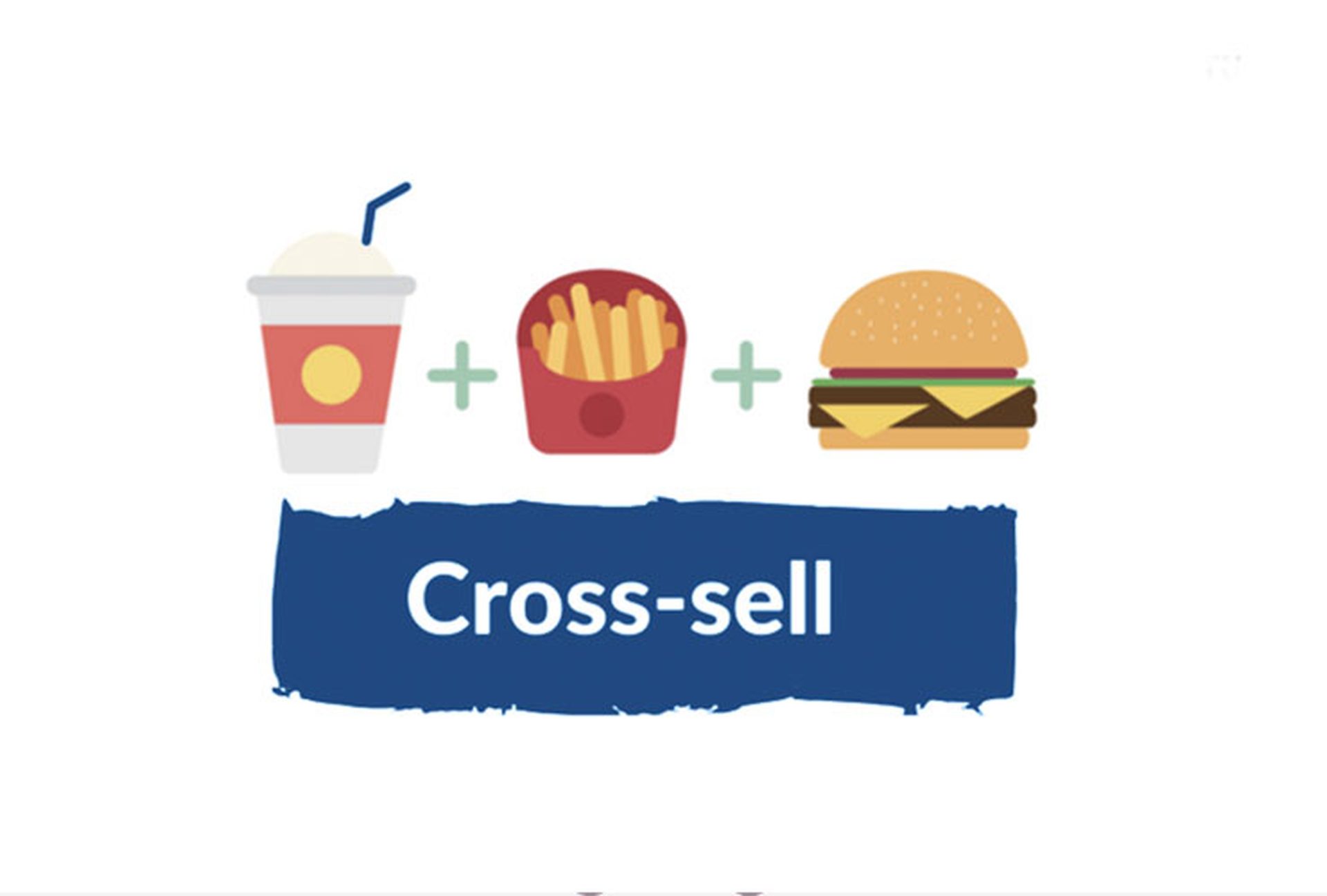
- Cross-Selling
- Bundling
- Upselling
- Sales promotion
- Bulk/Volume discounts
- Point of sale promotions
Let’s examine the transactional marketing strategies and transactional products examples related to them.
Cross-Selling
Bundling
Upselling
Sales promotion

Bulk/Volume discounts
Point of sale promotions
Companies that use transactional marketing
These are some of the companies that use transactional marketing:
- QVC,
- Amazon,
- Home Shopping Network (HSN),
- Walmart
- Publishers Clearing House,
- McDonald’s
- Most retail stores.
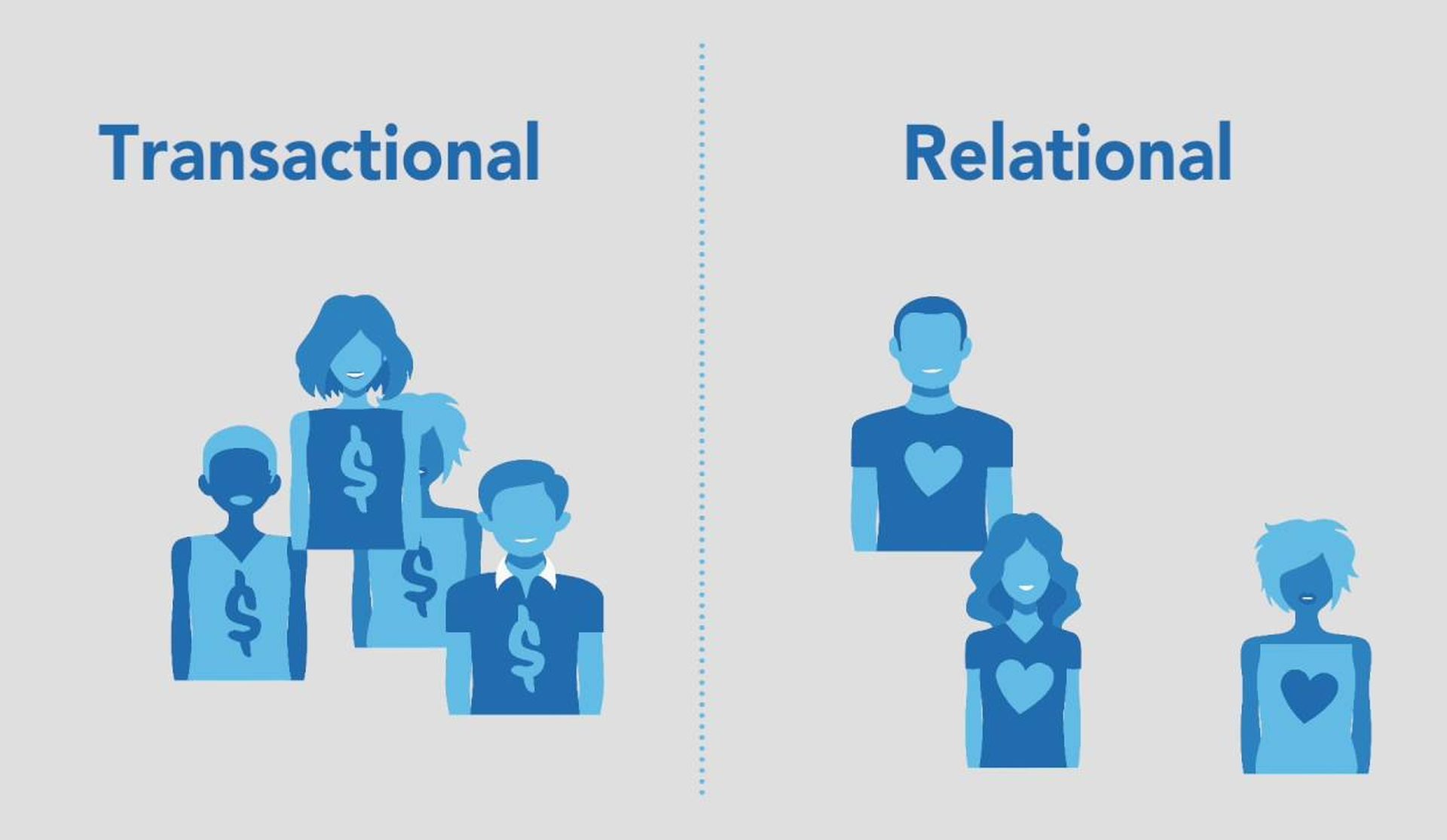
Transactional marketing vs relationship marketing
| Transactional marketing | Relationship marketing | |
| Definition | A technique for marketing used to find potential customers and close one-time deals. | A marketing approach with the main objective of keeping and satisfying clients by giving them something of value. |
| Time | Short term | Long term |
| Customer contact | Low | Frequent |
| Focus | Gaining new customers | Customer retention |
| Objective | Make the sale | Become the preferred provider |
| Centers on | Logistics on tranaction | Building trust |
| Relationship | Short and intermittent | Long and strong |
| Customer commitment | Low | High |
| Cost | Low | High |
Whatever approach works best for you, keep in mind certain aspects of the other. All marketers must have a thorough understanding of their customers, deliver value to them, and create a great customer experience. If you want to succeed, you must put in the necessary effort for each, whether you accomplish that over a single transaction or over a period of several years.
Check our other marketing guides: