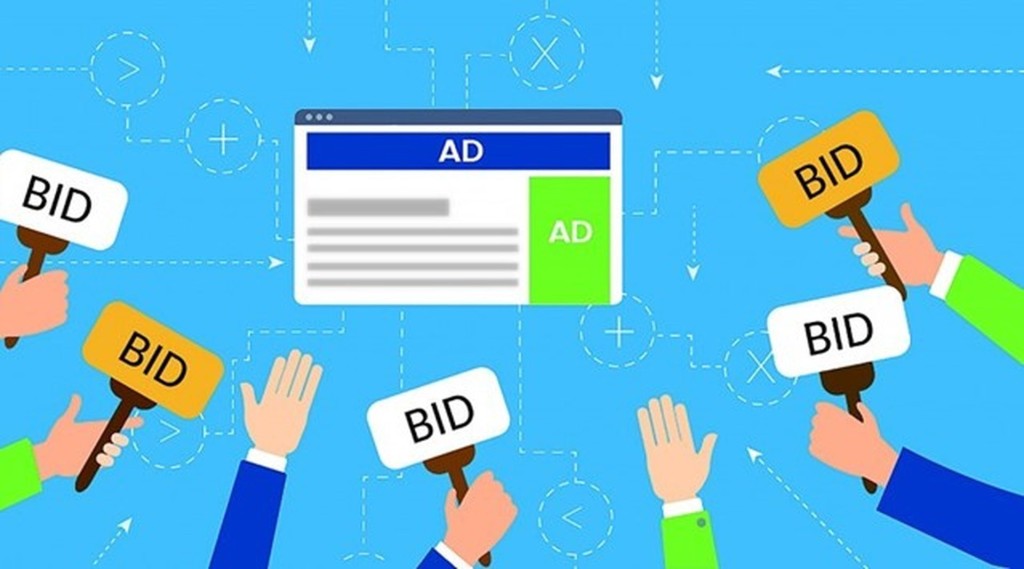
What is RTB meaning in marketing? Real-time bidding is the practice of purchasing and selling online ad impressions during live auctions while a webpage is loading. These auctions are frequently made possible by supply-side platforms or ad exchanges.
The need for businesses to promote trust in their data processing activities has never been higher in today’s more globalized and digitalized world, where a tiny number of powerful entities hold all the power. How could businesses use high-quality, GDPR-compliant data as a chance to build a trust-based feedback loop and generate economic value? RTB is the answer.
What is RTB meaning in marketing?
Real-time bidding (RTB) is a process that uses an instantaneous programmatic auction, similar to those seen in financial markets, to buy and sell advertising inventory on a per-impression basis. Real-time bidding allows for instantaneous display of the advertiser’s ad on the publisher’s website if the bid is successful.
Advertisers can build and execute marketing campaigns, prioritize certain networks, and assign percentages of unsold inventory, or “backfill,” thanks to real-time bidding, which enables them to manage and optimize ads from different ad networks.
Real-time bidding can be distinguished from static auctions because it allows bids to be placed per impression, whereas static auctions allow bids to be placed in groups of up to several thousand impressions. Although the outcomes depend on the execution and local circumstances, RTB is marketed as being more efficient than static auctions for both advertisers and publishers in terms of advertising inventory sold. RTB took over the conventional model.
Programmatic advertising, which automates the procedures and transactions involved in purchasing and placing ads, includes RTB as a crucial element. Real-time bidding algorithms are created to optimize transactions, ensuring that publishers get paid the most per impression and that advertisers may place their adverts in front of the most interested consumers. Ad impression bids are set depending on various factors, such as the size and location of an ad and information about the website and audience.
Programmatic media buying includes the subcategory of real-time bidding (RTB). An immediate auction refers to purchasing and selling advertisements in real-time on a per-impression basis. A supply-side platform (SSP) or an ad exchange typically facilitates this.
An SSP software lets publishers instantly and automatically sell display, mobile, and video ad impressions to interested parties. This comprises demand-side platforms (DSPs), networks, and ad exchanges, providing publishers more control over their inventory and CPMs.
Check out what is buzz marketing.
Advantages of RTB for publishers
Real-time bidding has considerably improved and simplified manual, time-consuming operations, changing the world of digital advertising. Real-time bidding technology influences the demand side and the industry, but it also makes many duties for the digital publisher easier.

Publishers, like advertisers, have the same chance to dramatically increase their profits thanks to RTB’s optimization and other alternatives. Simply sign up for the supply-side platform (SSP), add your ad spots, and configure your preferences, and you’re done. Publishers can save a ton of time on negotiations by using supply-side platforms. RTB makes it possible to quickly match interested buyers with relevant ad placements, giving both parties higher efficiency while looking for partners and negotiating conditions.
These are some of the best advantages of RTB:
- A large pool of the demand partners
- Control over inventory
- Effective optimization
- Valuable data
Let’s take a closer look at the Real-Time Bidding benefits.
More demand partner opportunities
Several companies use RTB from all over the world to advertise their goods and services. The number of these advertisers is steadily increasing, and they have a variety of target markets, goals, and spending ranges. Because of this, using SSP offers publishers the ideal chance to raise their fill rates or expand their network of demand partners.
Control over inventory
Publishers can sell their digital assets on the majority of RTB platforms according to their agreements. As a result, one can specify the requirements for the partners they want to work with, pick the best business model, and set price floors or the minimum rates they would charge for their placements. Such an approach can make aligning financial goals with their precise tactics much easier.
Effective optimization
The main benefit of real-time bidding for strategic optimization is that you can implement it practically in real-time. After you put your item up for sale, SSPs begin to compile and deliver information about how it performed. One can quickly optimize their process for selling media by adjusting parameters to their business objectives, which will increase their revenue.
Valuable data
Data’s usefulness is becoming increasingly recognized in our ever-changing environment. In fact, you may offer more pertinent information and offers the more you understand your customer. As a result, you will experience an uptick in traffic and user interaction. The advertisers can gain crucial insights from such data that will help them plan successful future ads, making them very useful. As a result, you can take pleasure in developing your digital channels and gain extra benefits from sharing.
With the right media kit, practically any publisher will find it simple to implement these advantages. Real-time bidding allows for the sale of desktop web inventory and mobile web and app traffic, allowing plenty of room for experimentation and creativity.
Check out the growth marketing vs demand generation comparison.
How does RTB marketing work?
Let’s look at the mechanics at the heart of this process to comprehend what RTB means in marketing fully. Marketing plans may differ from company to company depending on the advertising channels selected, but the overall framework stays the same. Real-time media trading can be broken down into four easy steps:
- Step 1: On their supply-side platform, ad network, or online advertising platform, the publisher first makes their digital inventory available for purchase.
- Step 2: A request is submitted to the ad exchange when a user accesses a web page with the publisher’s advertisement placement. Advertisers can then place bids on the available inventory.
- Step 3: Advertisers place bids on the impressions while the page is loaded (often with the aid of the demand-side platform) and continue doing so until the highest bidder wins the auction.
- Step 4: The user is shown the successful bidder’s ad creative. Real-time bidding is the term used to describe a procedure that occurs in real-time and takes less than a second.

Each and every necessary aspect, such as giving particular inventory priority or establishing a minimum price, is under the discretion of both advertisers and publishers. Such an approach automates a sizeable portion of publisher and marketer chores, freeing them up to focus on more complex and strategic operations
What is the real-time bidding cost?
The price range for a campaign is from $2500 to as much as $15,000, although it is not set in stone. Remember that real-time bidding works on a CPM basis, so your bid may be as low as $1 or as high as $2.
The price of RTB differs depending on other bids and the audience your advertisement is targeting, such as:
- Keywords
- Location
- Demographics
- Interests
What exactly is the difference between RTB and the programmatic ad buying process?
Programmatic Direct does not use an auction model, whereas RTB does. It is the main difference between them.
It is simple to confuse all the jargon used in digital advertising. Look no further if you’ve wondered whether programmatic versus real-time bidding (RTB) advertising is the same. Let us clarify right away that these two are not the same.
RTB is one important component or aspect of programmatic advertising, which is the leader in the technology-driven digital ad selling and buying market.
RTB is a key player in the programmatic world and is more accurately categorized as a subset of programmatic advertising than as programmatic advertising itself. Some publishers can even sell their inventory directly or programmatically, guaranteed, or without the need for RTB.

Check out the fast food marketing strategies of 2022.
Conclusion
Real-Time Bidding is becoming more popular as more marketers switch to a programmatic advertising strategy. With the world of digital advertising constantly expanding and more ad types entering the programmatic space, this is a genuinely exciting time for publishers and advertisers alike.